

Organic Jasmine Tea
Company advantages
Complete Process System
We believe that organic certified teas and herbs, grown without the use of agrochemicals like pesticides and fertilizers, are generally healthier for the environment, farmers and tea drinkers alike.
Global Expertise
A perfect blend of global experience andexpertise to further our focus on technology.
One-stop Solution
We support growers who cultivate ecologically sustainable gardens in remote locations around the world.
Direct Trade
Our travel and hands-on work with farmers allows us to verify where, when and how our organic teas are grown and to offer traceability on each lot back to the farm.
What is Organic Jasmine Tea
Organic jasmine tea is a type of tea that is flavored with jasmine flowers. The tea base can be any type of tea, such as green, black, or oolong, and the jasmine flowers are added to the tea leaves during processing to infuse the tea with their fragrance and flavor. Jasmine tea is known for its delicate floral aroma and taste and is popular in many countries including China, Japan, and Taiwan. It is often served hot or cold and can be enjoyed plain or with added sweeteners or milk.


Health Benefits of Organic Jasmine Tea
Fights Bacteria
Organic jasmine tea fights bad bacteria and empowers the human body to produce good bacteria that aids digestion.
Lose Weight
Organic jasmine tea contains catechins that have fat-burning properties and helps with weight loss. It increases your metabolic rate, quickening the rate at which your body burns fat. Studies show that people who drink jasmine tea lose weight more quickly than people who don't drink it.
Aromatherapy
Organic jasmine tea has medicinal properties and is an effective method of aromatherapy. Studies found that jasmine tea can lower heart rate and offer a sedative effect on mood and nerve activity.
Prevents Cancer
Organic jasmine tea is rich in antioxidants, lowering your risk of developing cancer. Antioxidants attack the free radicals that gsm-d-block row in your body and are associated with cancer causation.
Alleviate Pains and Aches
Organic jasmine tea has anti-inflammatory properties that reduce pains and aches linked with joint pain and arthritis. A study performed by the American College of Rheumatology found that epigallocatechin gallate in jasmine tea blocks inflammation triggered by rheumatoid arthritis.
Benefits Skin
Organic jasmine tea has antioxidants and antibacterial properties that help the skin look at its best. Similar to how jasmine oils can be used topically on skin for scars and wounds, drinking jasmine tea can provide terrific skin benefits.
What are the Applications of Organic Jasmine Tea
Can Lift Energy and Focus
In addition to polyphenols, jasmine tea and green tea contain the amino acid l-theanine, which has positive effects on cognitive health, including the ability to increase alertness without causing “jitters” like some stimulants can.This tea also contains small amounts of caffeine, which can improve concentration and motivation.In Traditional Chinese Medicine, jasmine tea is said to increase yang qualities, meaning it has warm, dry and bright qualities that make it uplifting.
Has a Relaxing Scent and Taste
Jasmine tea is unique in that it has both stimulating and calming effects. The flower petals are thought to have a floral, calming aroma in part due to the presence of the compound called linalool.Studies suggest that smelling linalool can help promote activity of your parasympathetic nervous system, which is the part of your nervous system that helps you relax. Since it assists your body and mind in unwinding, this tea can potentially aid in lowering your heart rate and reducing muscle tension.
Could Help With Weight Maintenance
A study conducted on mice found that cold-crewed jasmine tea was able to attenuate high-fat diet-induced obesity. It also improved gut microbiota. The study authors noted that “cold-brewed jasmine tea attenuated weight gain, abnormal serum blood levels, fat accumulation, inflammation, glucose intolerance, metabolic endotoxemia, as well as differentially expressed genes related to lipid metabolism.”
Can Help Lower Diabetes Risk
Animal studies have revealed that compared to a control group with diabetes, animals treated with jasmine tea had much lower blood glucose content, showcasing its potential to prevent diabetes. In a human model published in 2021 in the American Journal of Clinical Nutrition, daily green tea consumption was linked to a decreased risk for type 2 diabetes and all-cause mortality in diabetes patients in China.
Types of Organic Jasmine Tea
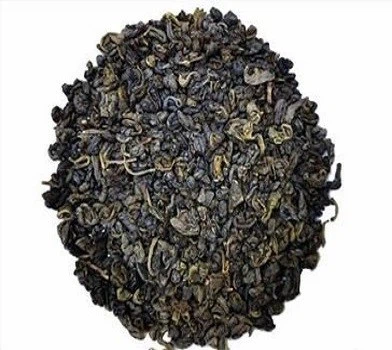
Jasmine Dragon Pearls
The highest quality jasmine tea is known as Jasmine Dragon Pearls. This type of tea involves an infusion of jasmine blossoms and green tea leaves. The flowers and leaves are then rolled into tight balls or pearls by hand. These tea balls slowly unfurl when they are brewed creating a stunning visual treat.Jasmine Dragon Pearls are made using only the youngest green tea leaves. Tea masters harvest the leaves during the first flush in spring. These leaves are characterized by delicate white tips and a tender flavor.
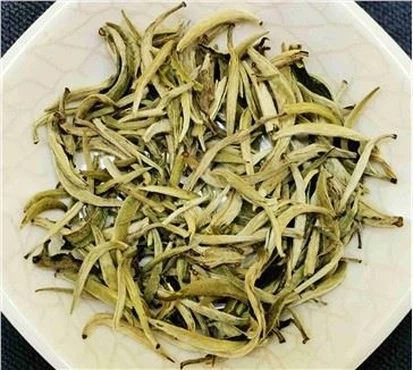
Jasmine Silver Needles
Another high quality jasmine tea is known as silver needle or white tipped jasmine tea. Silver Needle white tea leaves are long and spindly and feature white tips.This jasmine tea is made using only the first two leaves of each shoot, which are harvested during the first flush. Jasmine flowers are infused into Silver Needle white tea for a subtle flavor that is gentler than jasmine green tea varieties.
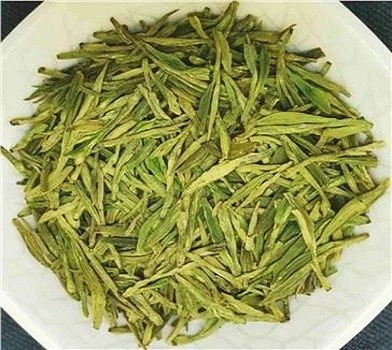
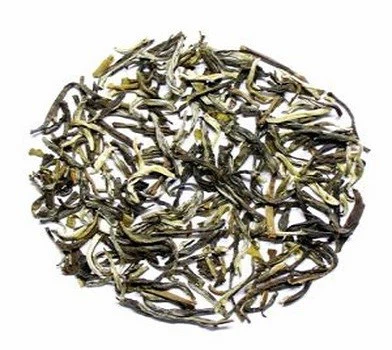
Yin Hao Jasmine Tea
Yin Hao is another loose leaf jasmine green tea. The quality tea features delicate spindles of leaves and the occasional flower blossom. Yin Hao jasmine tea is light and clear with a pale yellow tinge. It boasts a medium body with a heady aroma and sweet flavor.
How Is Organic Jasmine Tea Tea Produced?
Drying
Organic jasmine tea leaves that are dried in sunlight tend to have the most delicate flavor. Steaming is the most popular method for Organic jasmine tea, while Chinese green teas are typically roasted. Steamed green teas develop more vegetal and sweet flavors. Roasted organic jasmine tea are stronger and feature smoky or toasted notes.
Scenting
After drying, the leaves are stored until the jasmine flowers are ready for harvesting in mid-June. The flower buds are plucked at mid-day when the buds are closed against the sunlight.They are then transferred to cool warehouses for scenting the green tea leaves. As the jasmine flowers are subjected to cooler temperatures, they reopen and begin to scent the tea leaves.Tea leaves are highly absorbent and start to take on a sweet fragrance when they come into contact with the jasmine flower. Once the jasmine blossoms begin to dry, they are replace with new, fresh buds.
Packaging
The jasmine flowers are then either removed completely or packaged with the organic jasmine tea leaves for sale. Jasmine green tea is available in several different forms include tea bags, loose leaf teas, powders, and jasmine pearls—hand rolled balls that slowly unfurl when infused in water.
Jasmine buds preparation
Fresh jasmine flowers bud are picked in the morning by tea pickers; and set aside well to scent at night with tea.
Putting the tea in middle of jasmine buds
This step is to making a starting layer of jasmine buds, green tea is putting on top of it at night.Then surrounding with more jasmine buds until a certain height to cover the tea totally . Each layer will rise to a temperature while jasmine bud is conbined with green tea which cause jasmine bud spread out & open.
Turn over to mix flowers with tea evenly in the whole night for 3-4 times
During this process, tea makers need to stay up to keep a close eye on jasmine tea, to mix flowers with tea evenly for couple times(based on tea makers's experience by watching its tempature, tea bud open shape etc).
Scenting , the buds begin to open when heat goes up
It takes around 5-6 hours when temperature of the heaps rises up during jasmind bud open fully, and flowers to relase more and more fragrance to the tea Turning again at mid-night.
Wind-selecting to get rid of the dry jasmine flowers
If jasmine bud open completely ,which means the scent from jasmine should be spread out to the tea leaves entirely .The piles are placed in a sorting machine to separates the jasmine flower from tea leave.
Baking to the finished products
The tea leaves are then bakted to remove moistured water in preparation before packing or re-scenting .
Maintenance Tips for Organic Jasmine Tea
Keep it cool
Exposure your tea to heat, and it will be ruined in no time. Protect your tea by not storing it anywhere near direct sun light and other heat sources such as ovens and stoves. High temperatures will also increase the change of moisture absorption. If you're storing your leaves in a glass jar, make sure to keep it inside a dark cabinet.If you don't want to store them in cabinets, then the best alternative is to store them in non-transparent sealed bags or clay jars.
Keep it dry
Tea is a dried product, and almost with any dried food, oxygen & moisture will be their enemy. Thus, it's important that you keep it away from humid areas, such as cabinets above water boilers and dishwashers.Now let's get back to storing teas in your refrigerator or freezer. Both storage in a refrigerator or freezer will slow down oxidation significantly. The cooler the more oxidation is slowed down, making freezers the preferred option.The benefit of storage in freezers is also that moisture will be condensed and frozen in ice instead of moving around freely in refrigerators. This highly benefits the tea leaves.
Keep away from odours
Tea leaves are very vulnerable to odours, for the same reasons they're vulnerable to humidity. They don't only absorb moist from the air, but also any odours present. That fact that our jasmine teas are the result of laying fresh jasmine flowers over green tea easily proves this fact. The green tea leaves have fully absorbed the fragrance of flowers.Of course, letting tea leaves absorb the pleasant aroma of jasmine flowers is a good thing. But you don't want your dry leaves to smell like chicken soup, beef noodles or thai curries. Kitchen cabinets are therefore not ideal locations for tea.
Keep them together
Imagine you keep a tiny bit of tea in a large jar compared to a smaller jar that's full of tea. It's a rule of nature that the tea in the latter jar will stay fresh for longer. Because the same inside the jar is filled with more tea, it also means there's less space available for anything else (=oxygen). There's nothing else in the surrounding for a tea leaf to absorb, but the same flavour of surrounding leaves.That's why pu erh collectors fill up a whole closet with tea cakes. After all, you want your cabinet to smell like tea, instead of your tea smell like the cabinet.
Our Factory
JIANYUAN ORGANIC TEA & HERB BEGAN IN 2003 when Alex and David, founder and tea buyer, was work for the state own tea import and export company. In the sales process to Europe and the United States, they feel that organic tea will be the inevitable trend of the world's tea. So they set up their own company focusing on planting and selling organic tea---Jianyuan OrganicTea. They established their first organic green tea base in Wuyuan,Jiangxi known as the "Golden Triangle of Chinese Green Tea". And soon sold tea directly from the base to the United States and Europe. Soon, organic white tea, organic oolong tea and organic black tea bases in Fujian were also established one after another. Organic white peony, organic Tieguanyin, and organic Zhengshan Souchong were also sold from here to all over the world.
FAQ
Find professional organic jasmine tea manufacturers and suppliers in China here. We're offering organic products made in China with competitive price. Please rest assured to wholesale bulk organic jasmine tea in stock here from our factory. Also, free sample is available for quality checking.